| Forbidden City of China Album |
| The Forbidden City of Beijing was the imperial palace from the Ming dynasty to the end of the Qing Dynasty--the years 1420 to 1912. The last Chinese emperor, Puyi, was dethroned in 1912. He still was given various titles until 1949 when the communist government took over and declared him a criminal of the state. The Forbidden City covers 182 acres and has 980 buildings. |
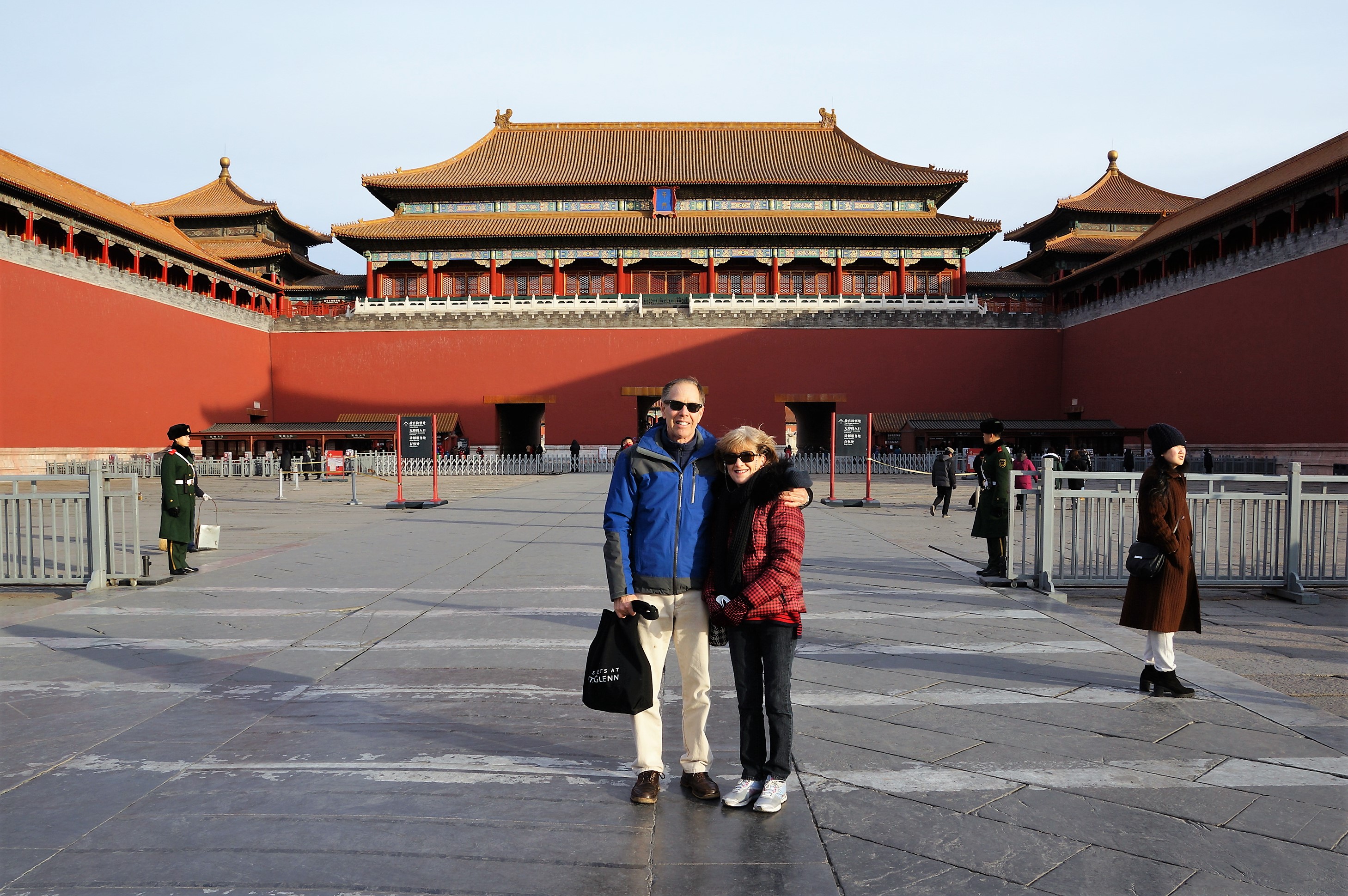
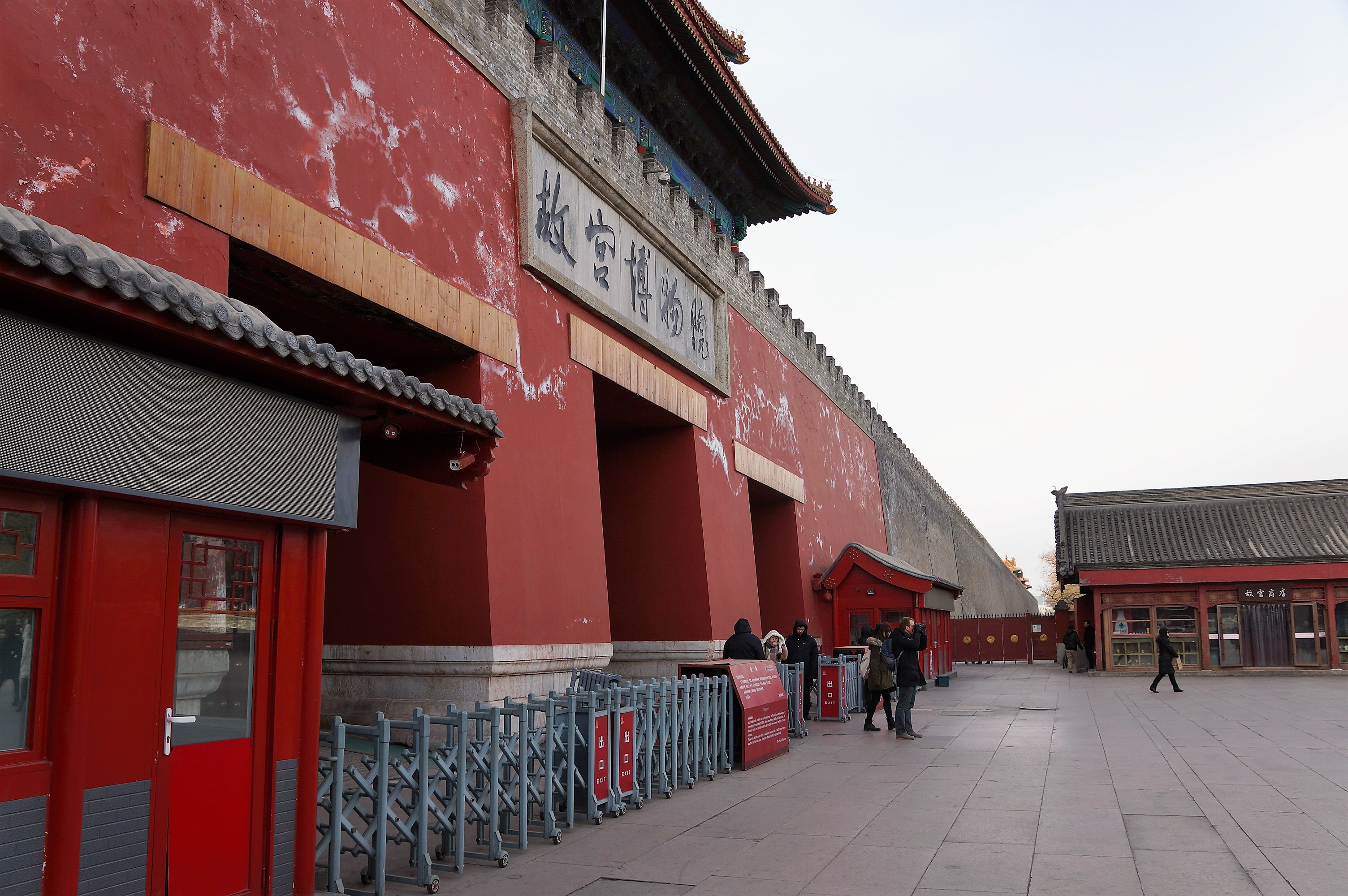
| The Maridian Gate, now used by tours instead of entering from Tiananman Square. |
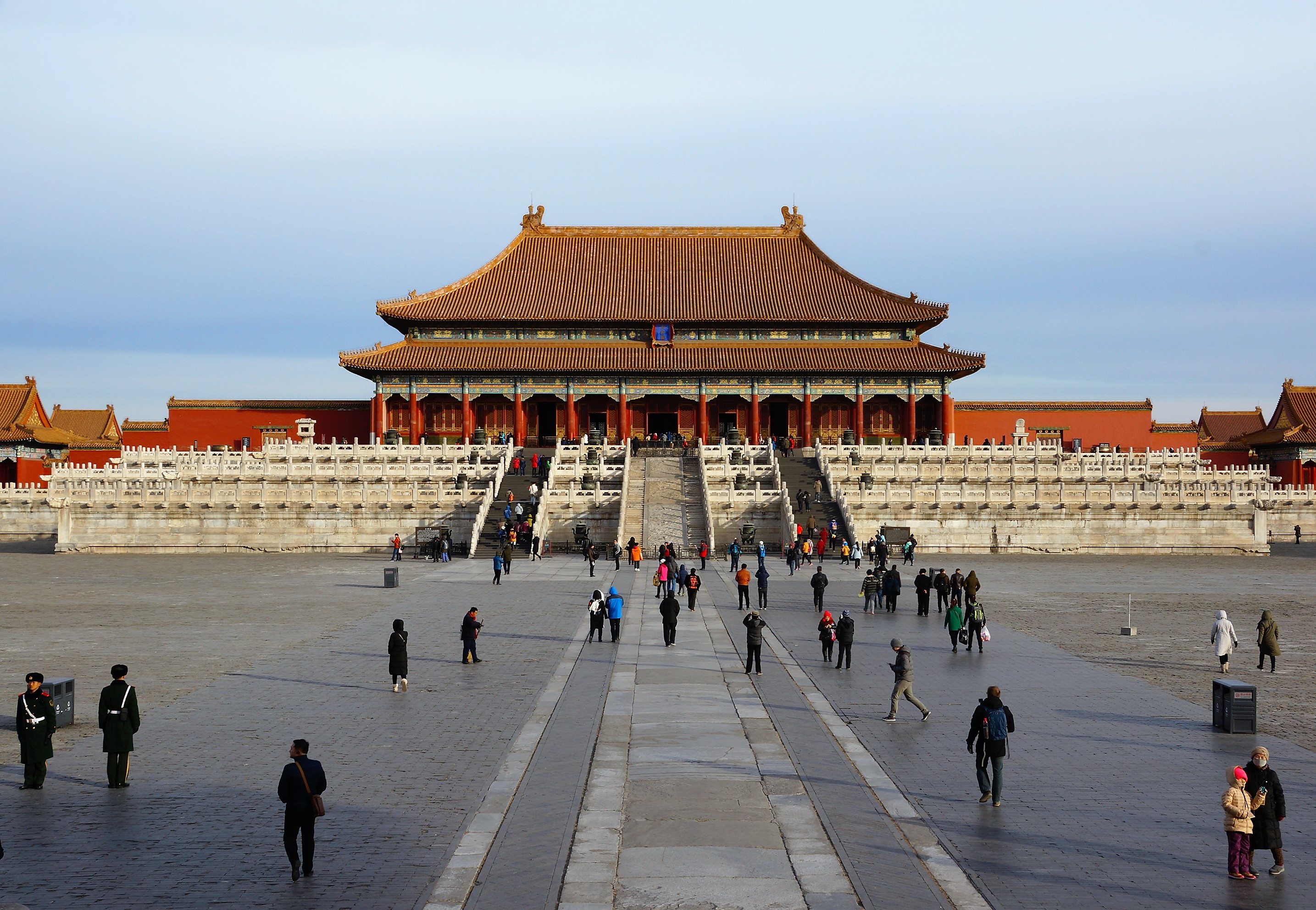
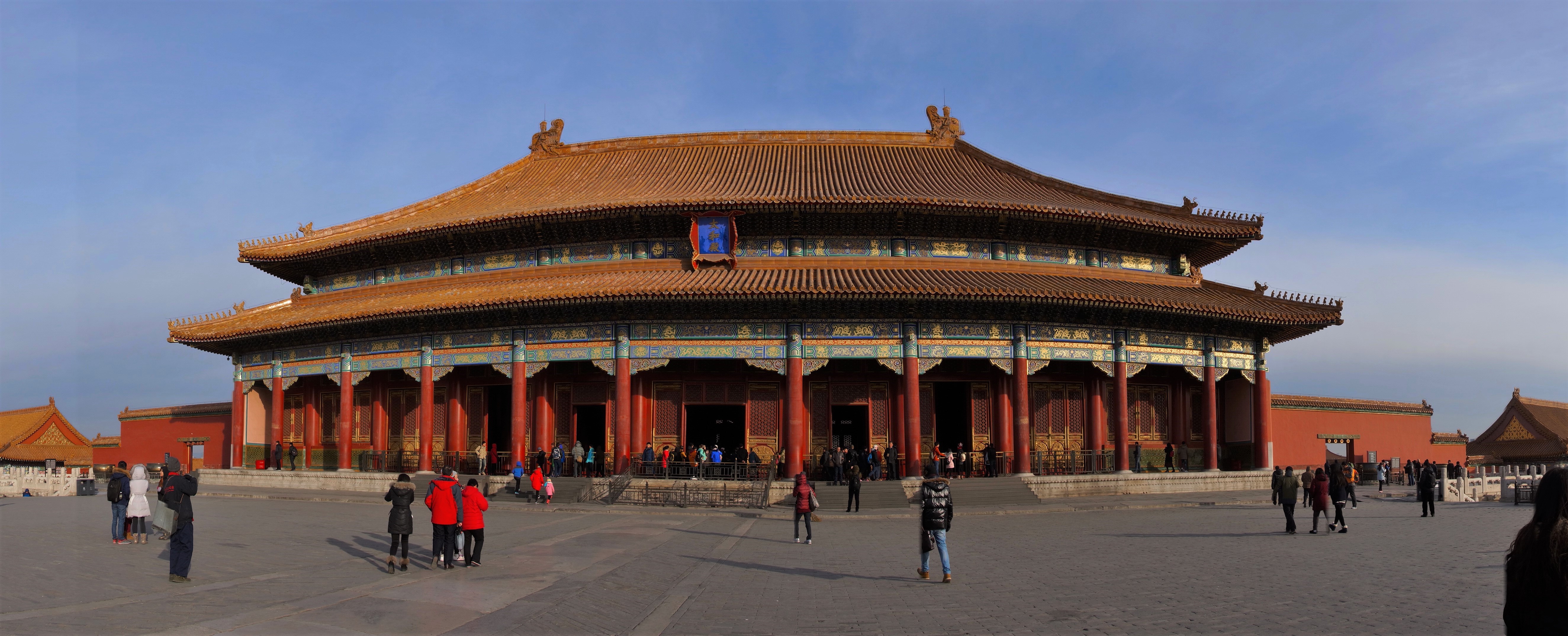
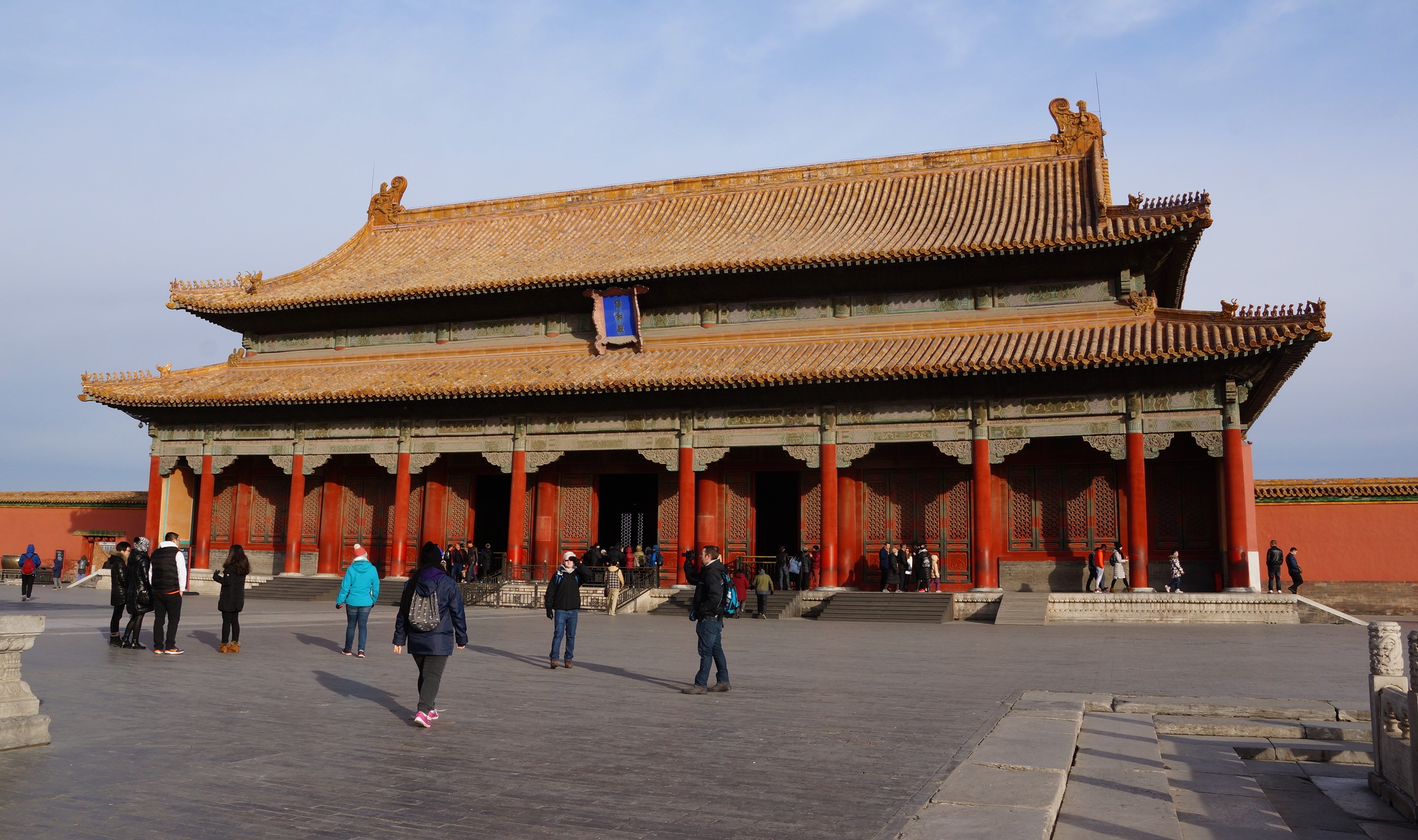
| The Hall of Supreme Harmony. |
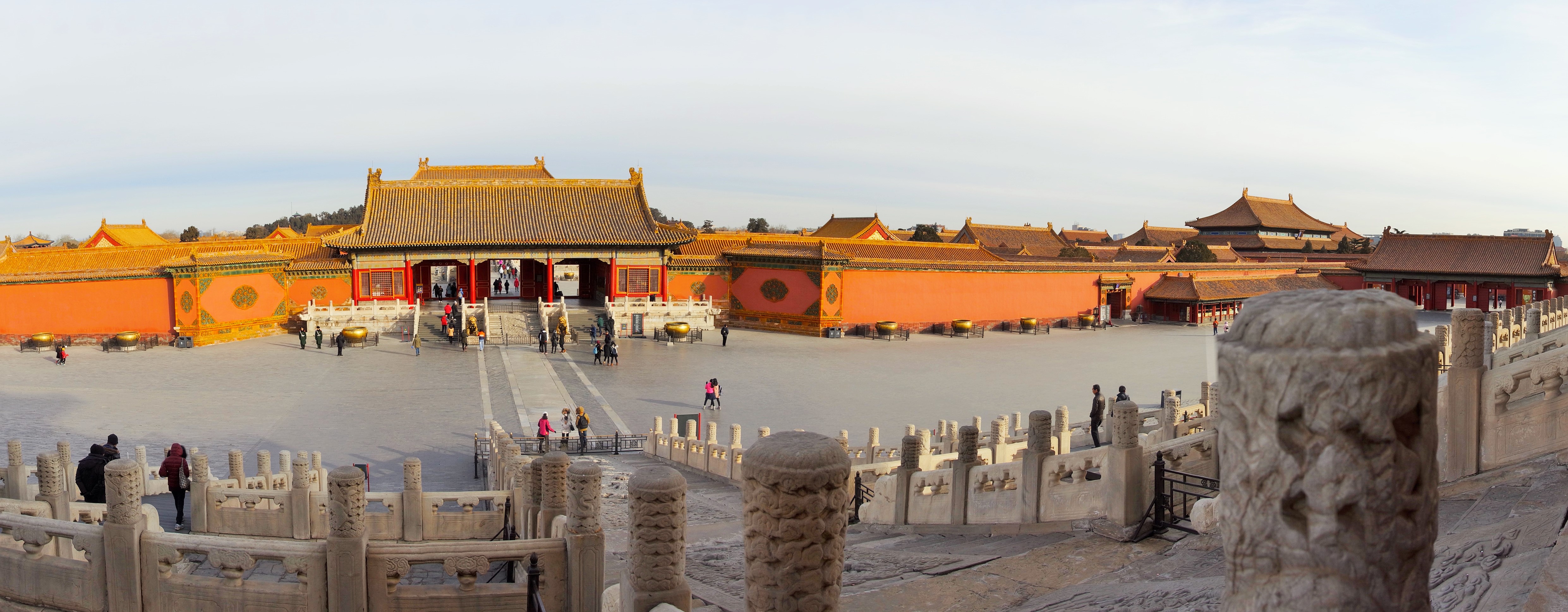
| Panoramic of the courtyard of Supreme Harmony. |
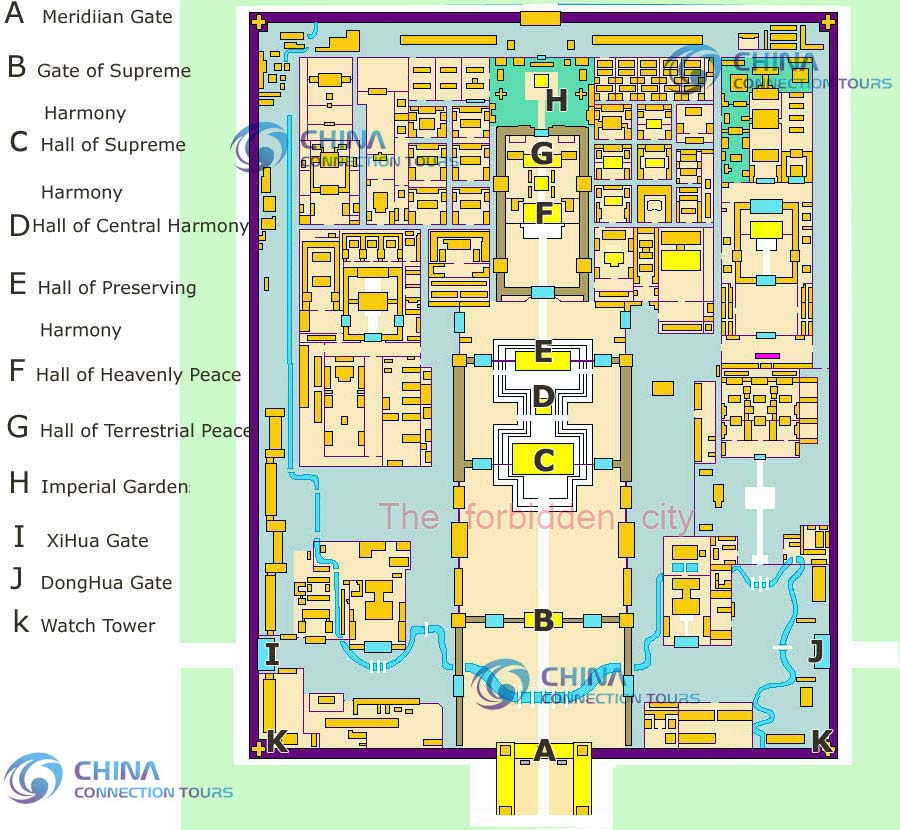
| Map of the Forbidden City. |
| After passing through the gate you come to the huge ceromony square and the Hall of Supreme Harmony. |
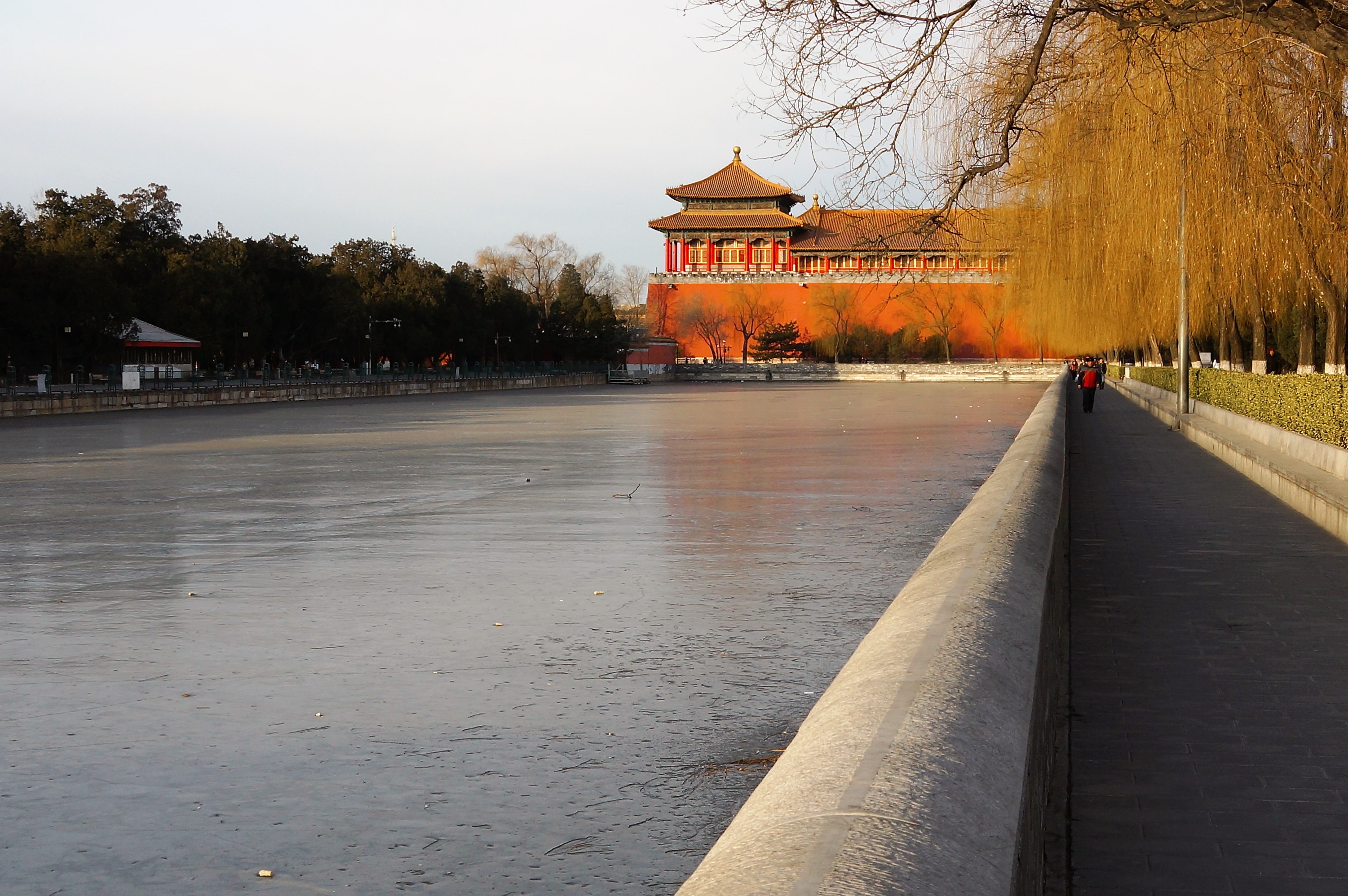
| The Forbidden City has a moat around some of the city. |
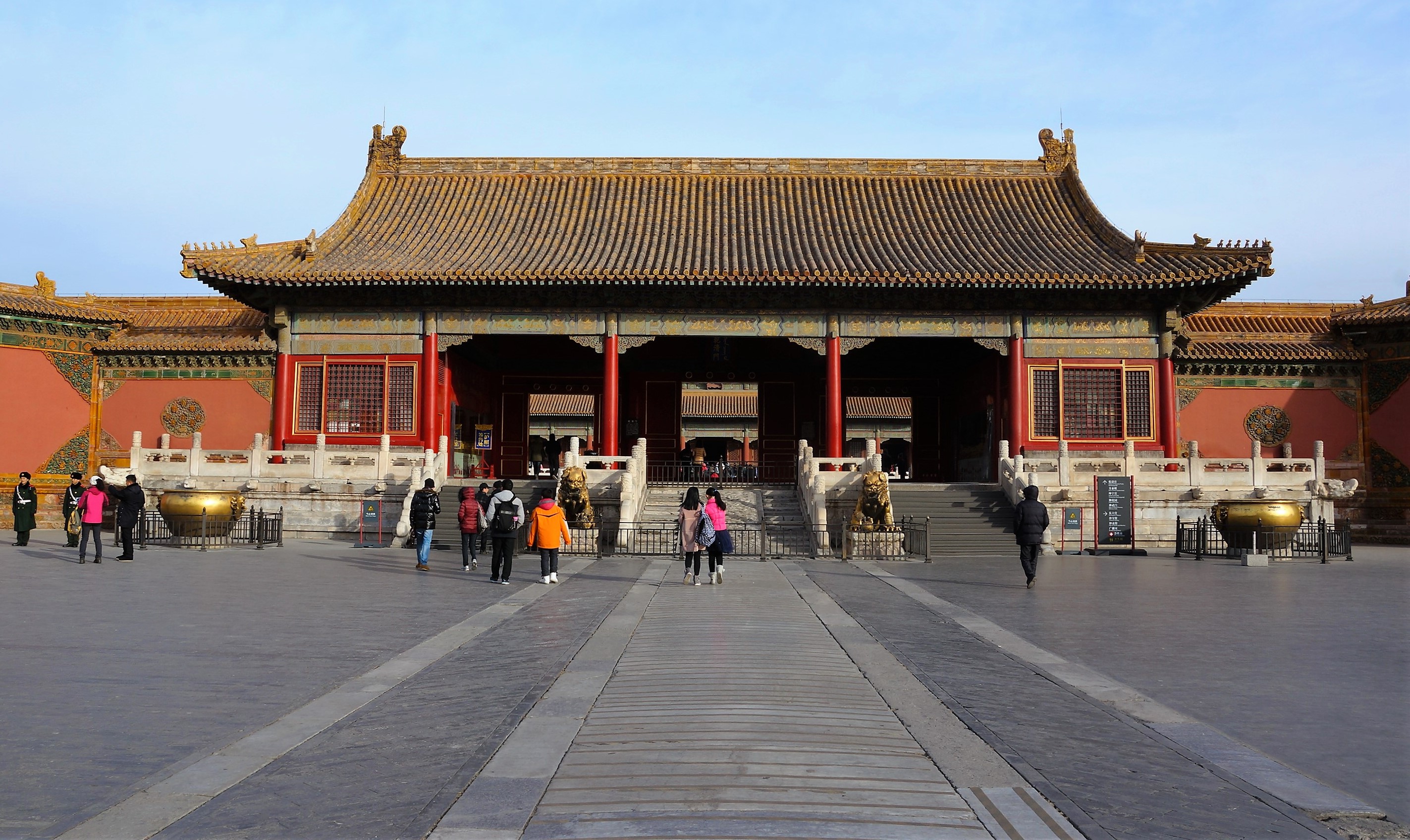
| Upon entering there is a large court and another gate called The Gate of Supreme Harmony. |
| The Gate of Supreme Harmony. |
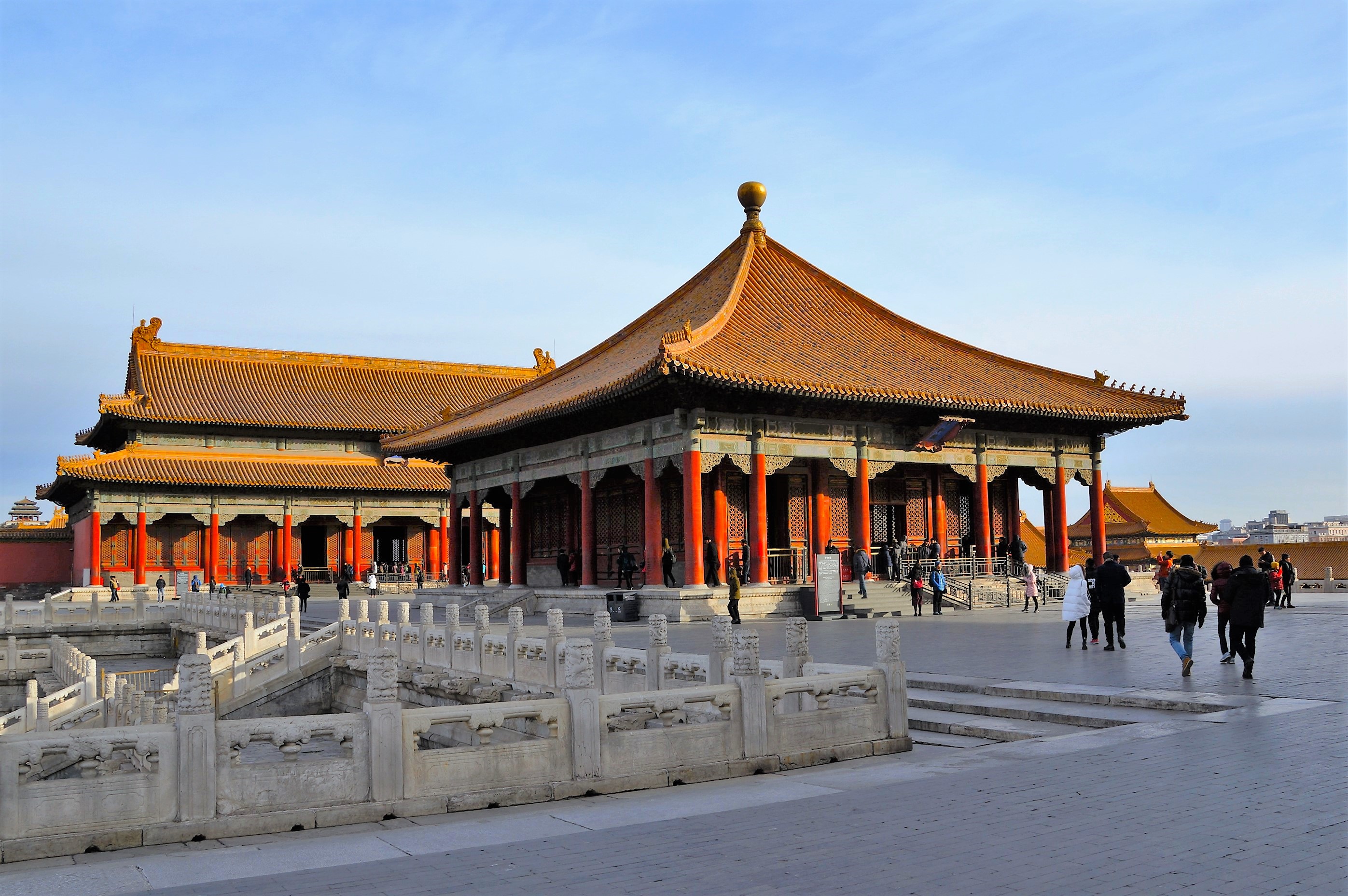
| After passing through the hall you come to another hall, The Hall of Central Harmony. |
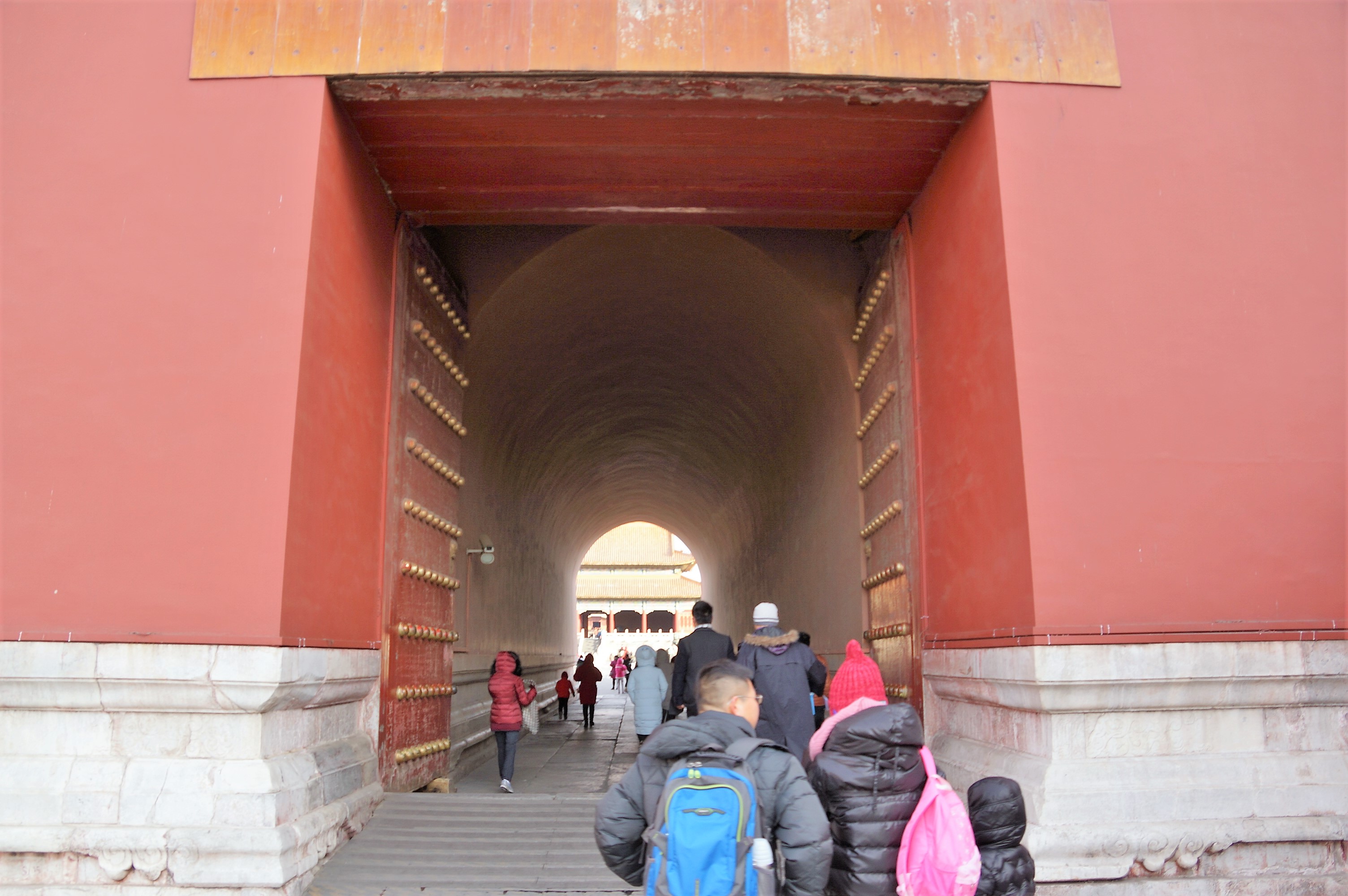
| Entering through the outer wall of the Forbidden City by the Maridian Gate. There is also a section of the palace within an inner wall. |


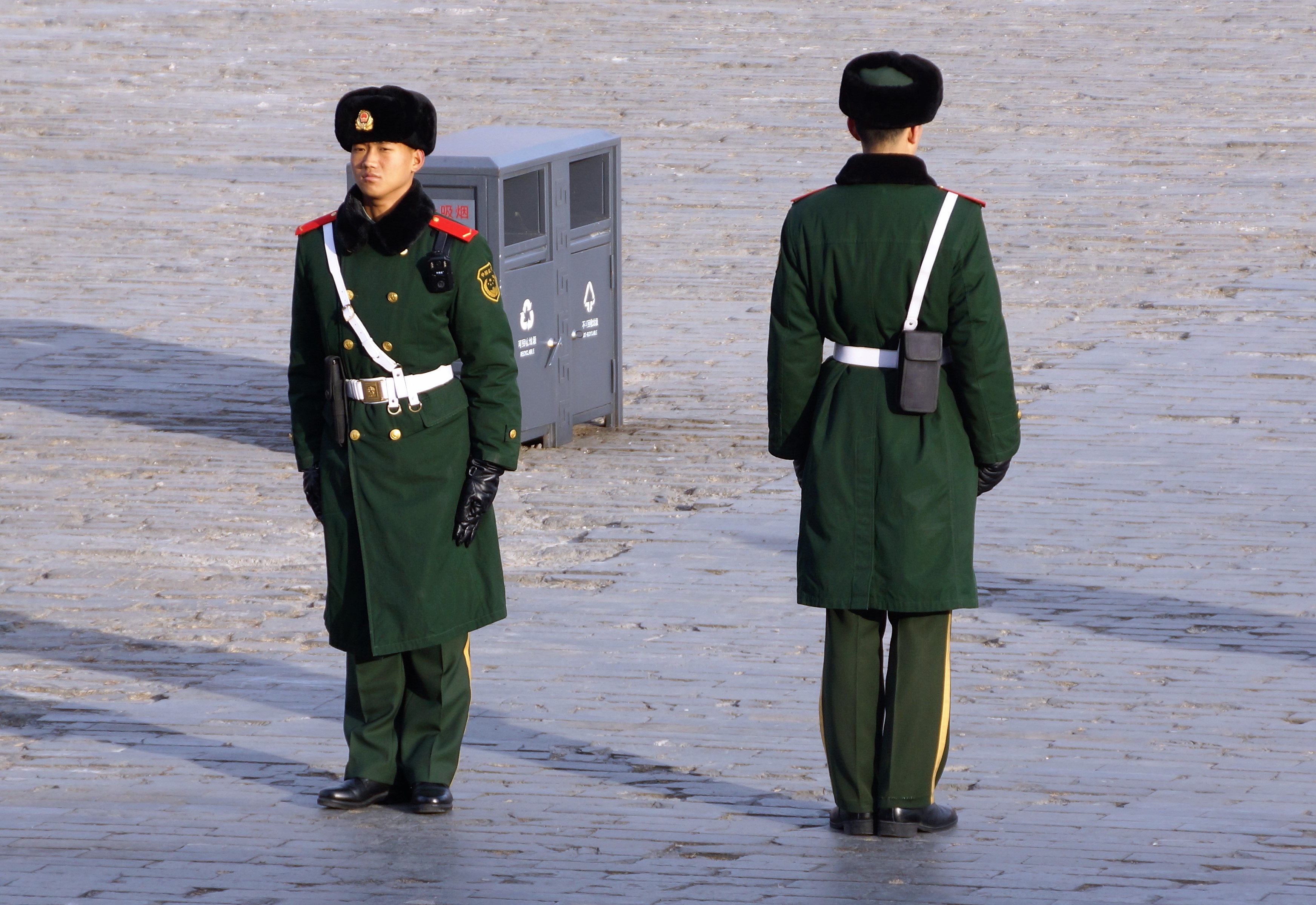



| All along the way there are guards. |
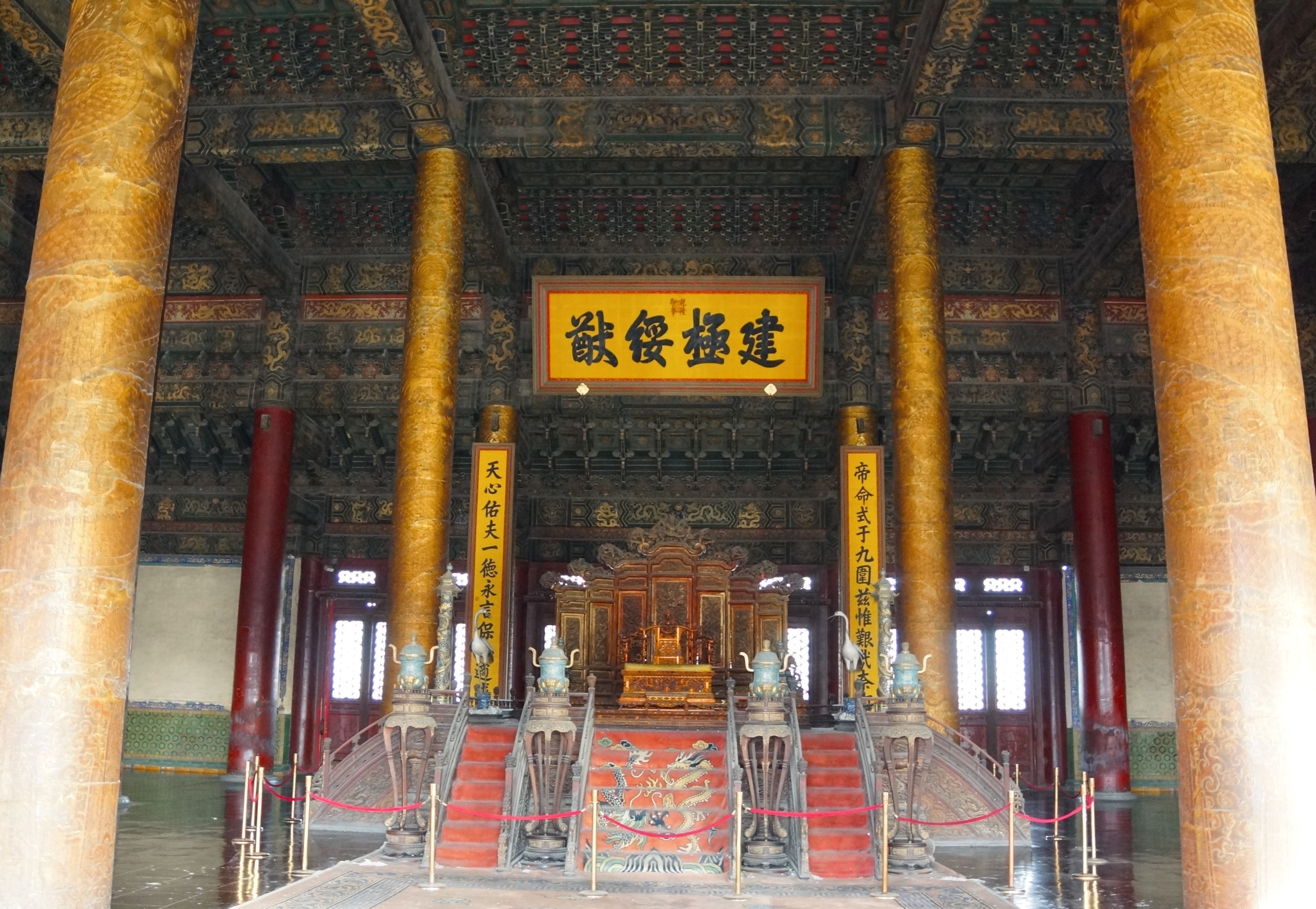
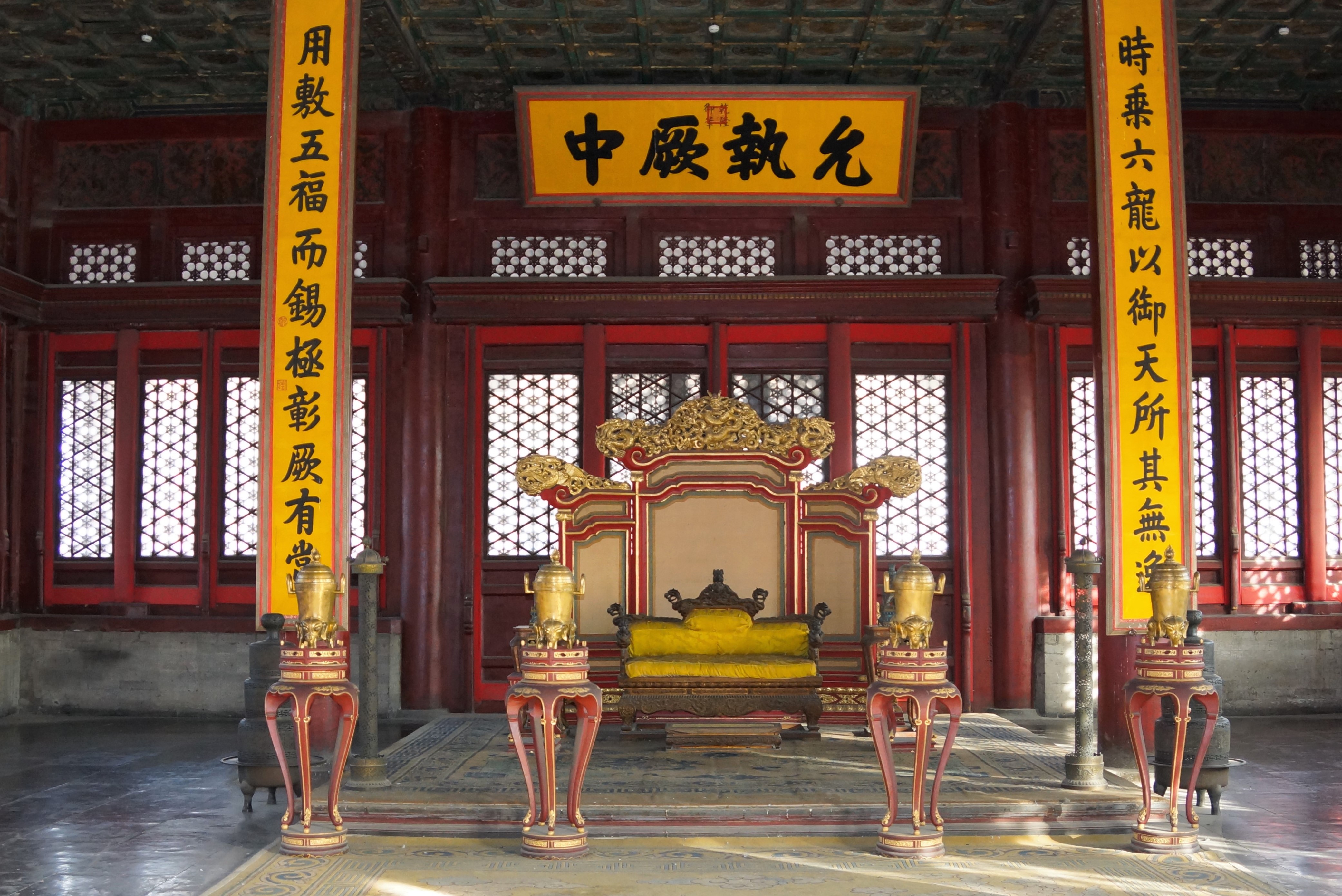
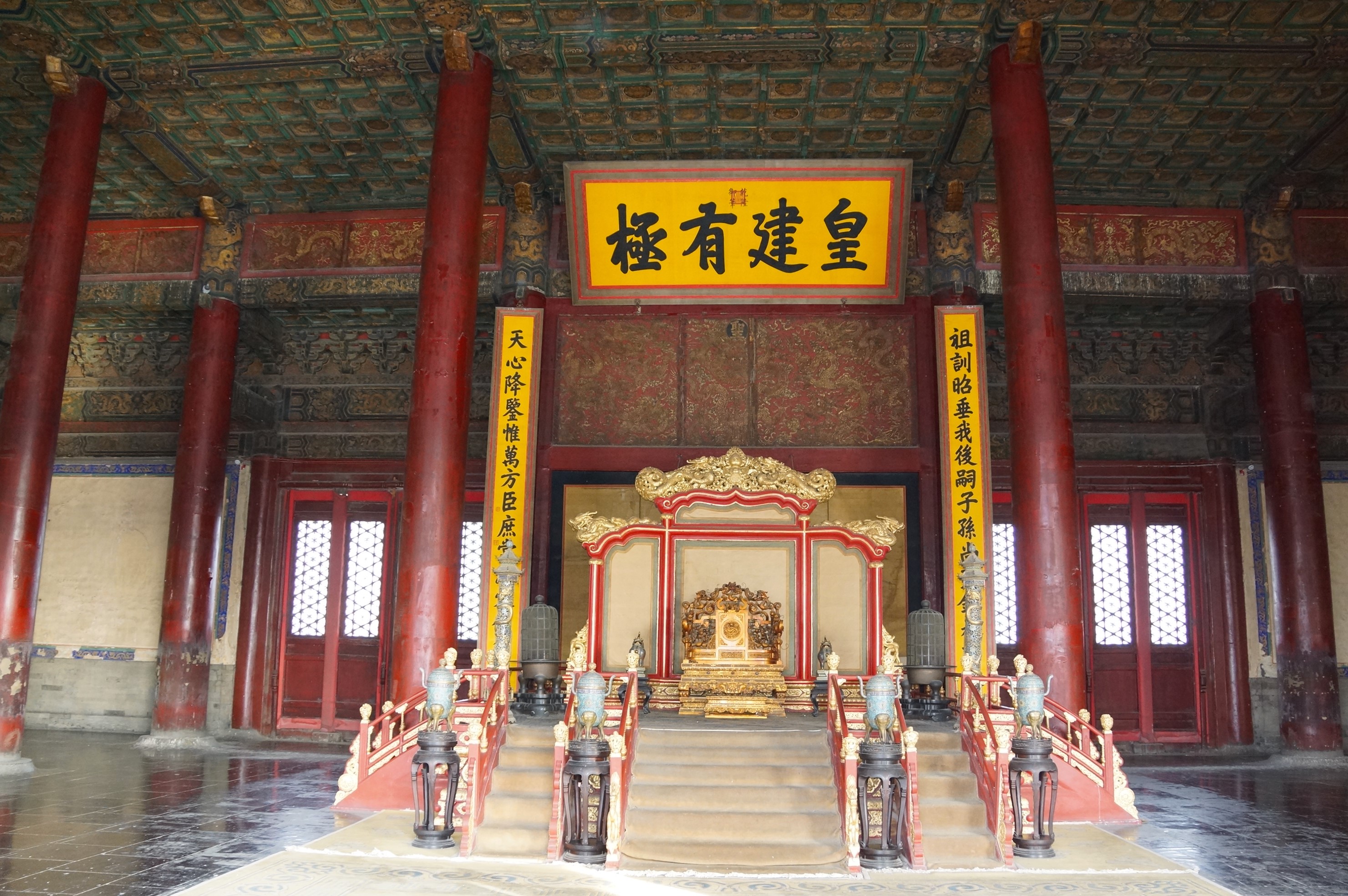
| The Hall of Harmony contains the throne of the emperor. |
| The court yard leading to the Hall of Supreme Harmony. |
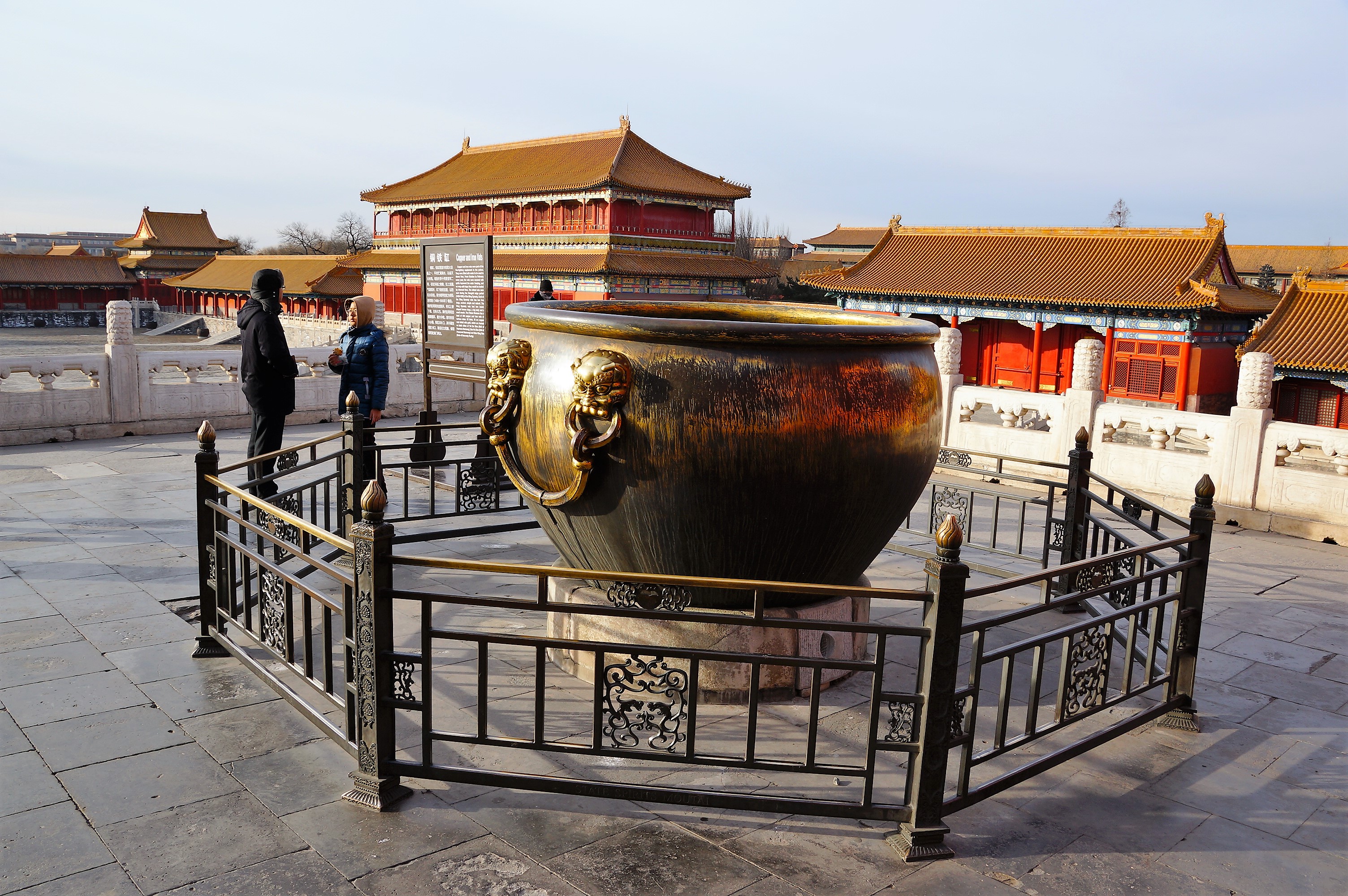
| The palace has 308 copper and iron vats which were used to fight fires. |
| The next hall is The Hall of Preserving Harmony. |
| The Hall of Central Harmony. |
| The throne inside The Hall of Central Harmony. |
| The throne in The Hall of Preserving Harmony. |
| Panoramic of The Gate of Heavenly Purity. |
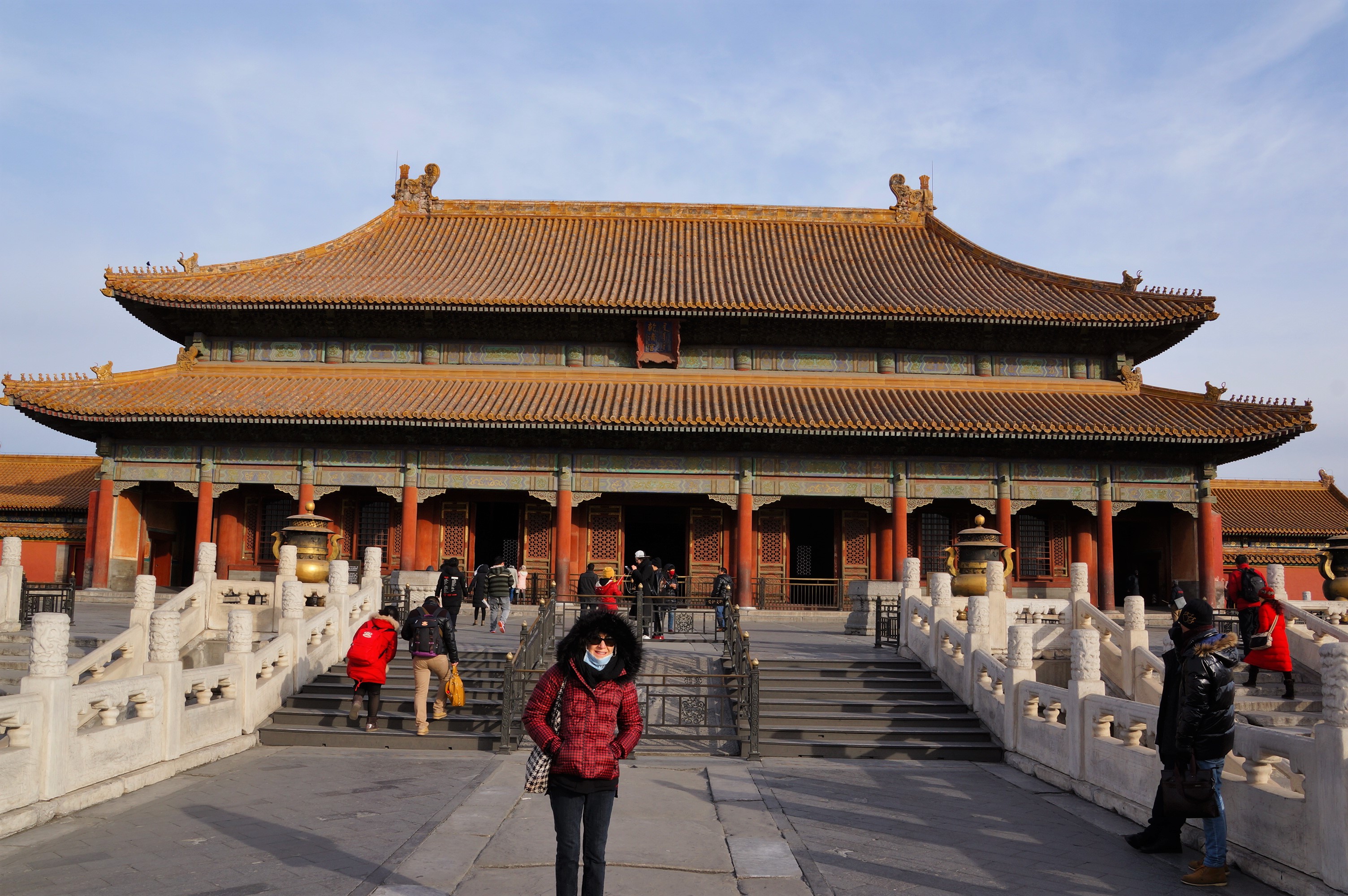
| Inside the inner wall is the Hall of Heavenly Peace. |
| This gate is through the inner wall. |
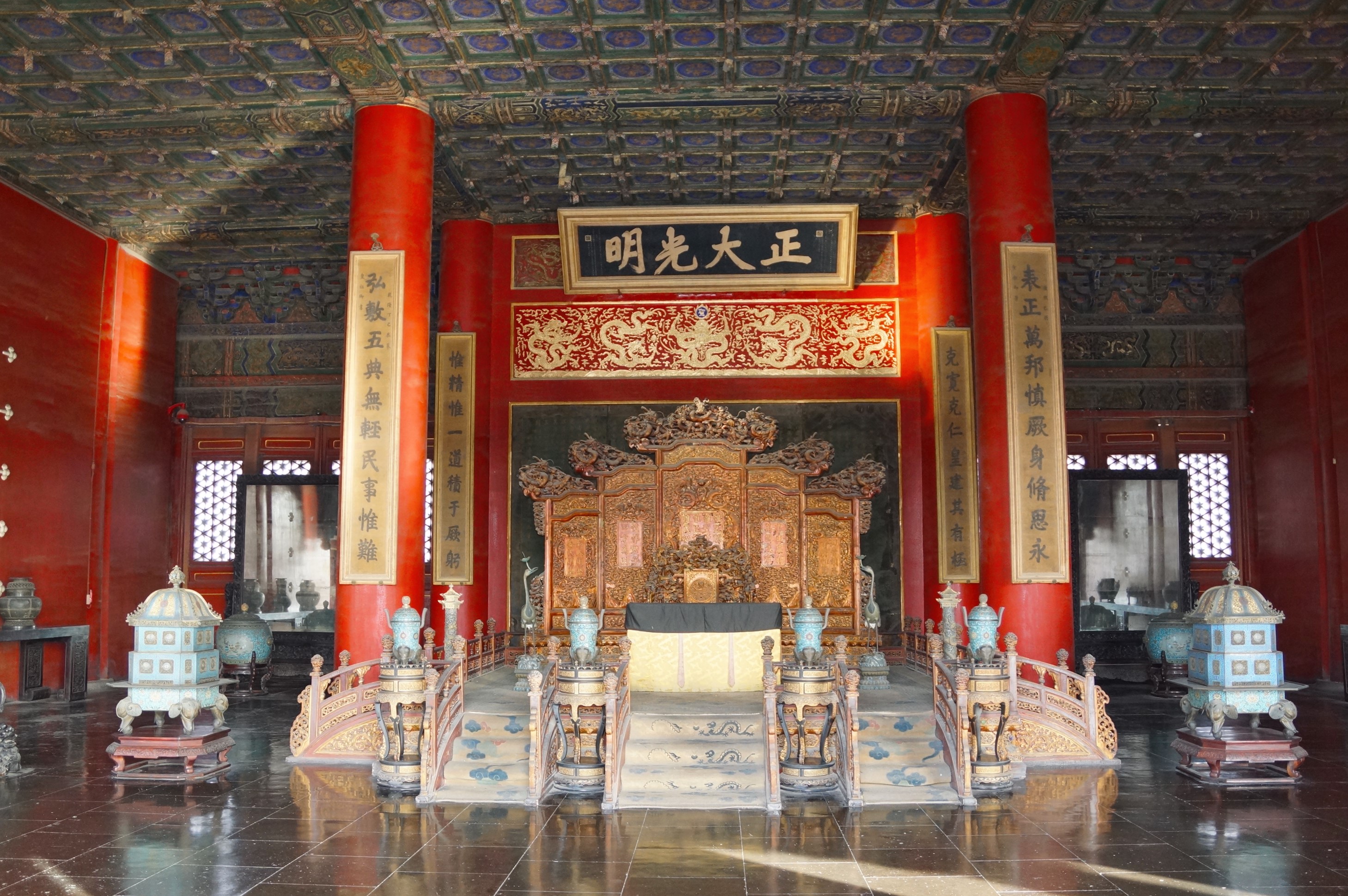
| Throne inside the Hall of Heavenly Peace. |
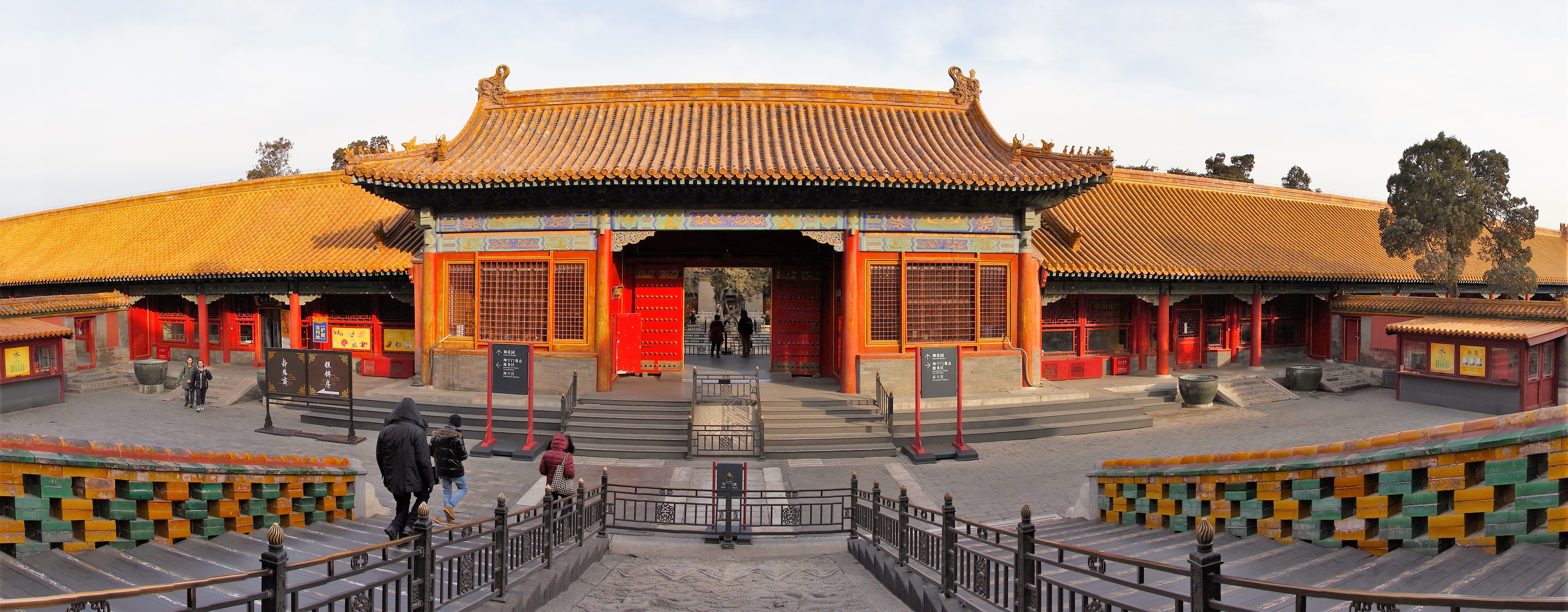
| Panoramic of the Palace of Earthly Tranquility. |
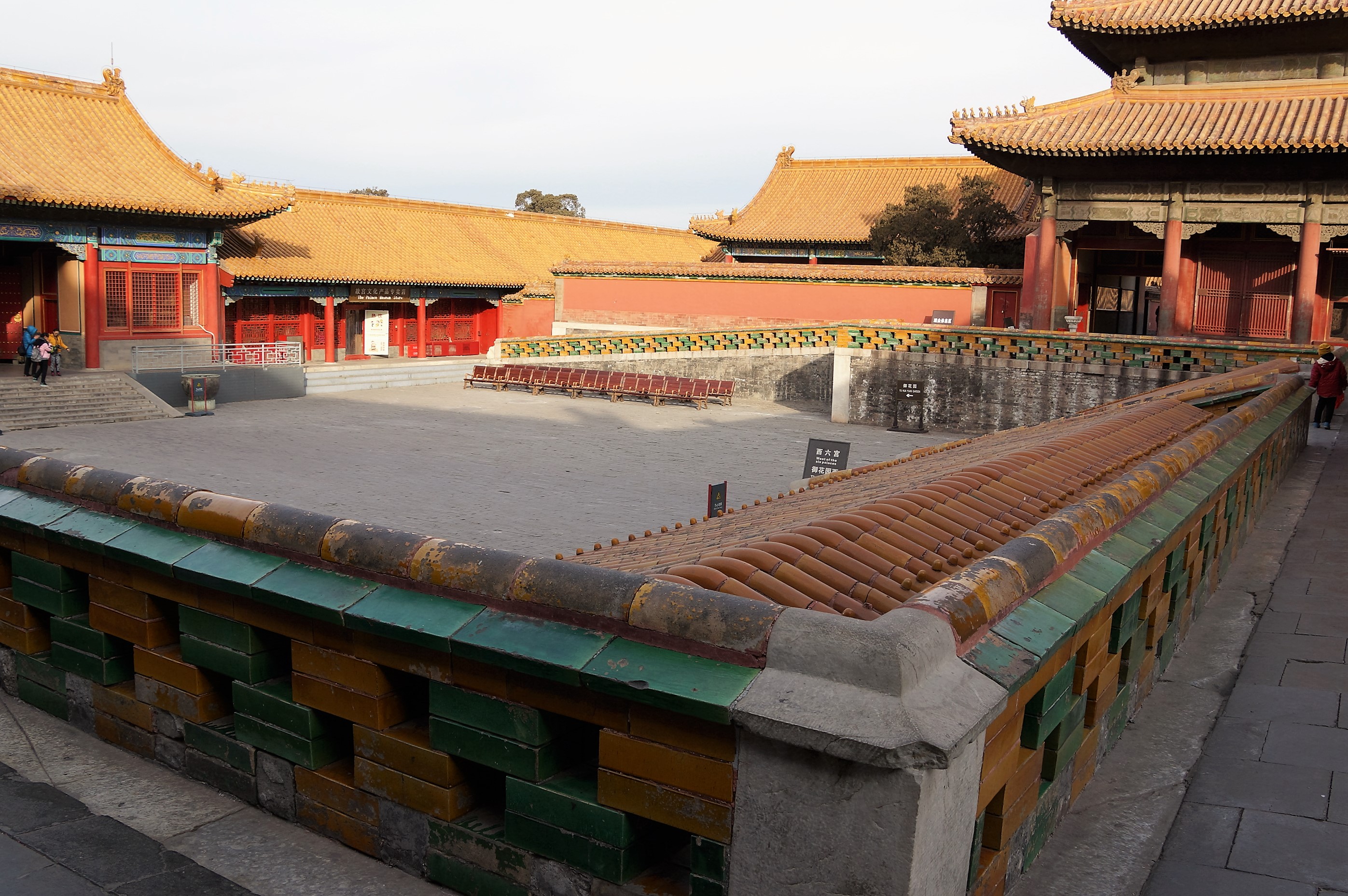
| The courtyard of The Palace of Earthly Tranquility. |
| Behind the Palace is The Garden and the XiHua Gate. |
| The XiHua Gate. |
| There are 4 gates to the Forbidden City. The gate from Tianaman Square is no longer allowed to be used by tourists. |

| We cross the moat leaving the Forbidden City. |